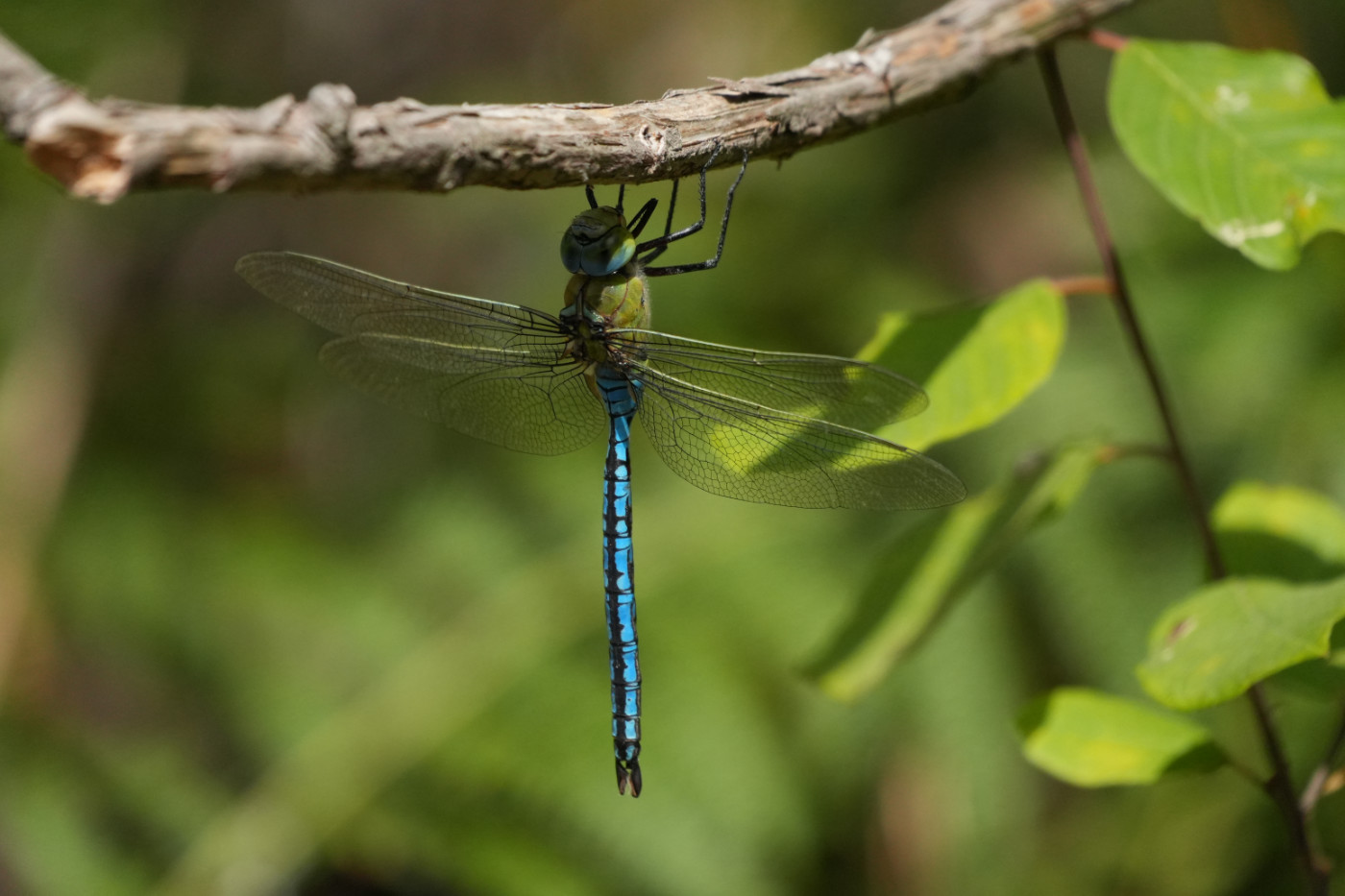
The Emperor Dragonfly is one of the largest European Dragonflies and sports a stunning light blue abdomen and apple green thorax.
It is also an extremely agile hunter, catching prey on the wing. It's place in the food chain makes it a key indicator species for the health of a waterway. If they are thriving, then there is plenty of their prey available.
Dragonflies and Damselflies make up the Odonata order, whose fossils first appear in the late Triassic over 200 Ma (million years ago). There are 57 species of Odonata in the UK, including this Emperor photographed at Broadwater Warren in East Sussex.
Dragonflies and Damselflies
The year 2026 was filled with Dragonflies and Damselflies for me. They were such a common site on our waterways and this one sat very nicely.
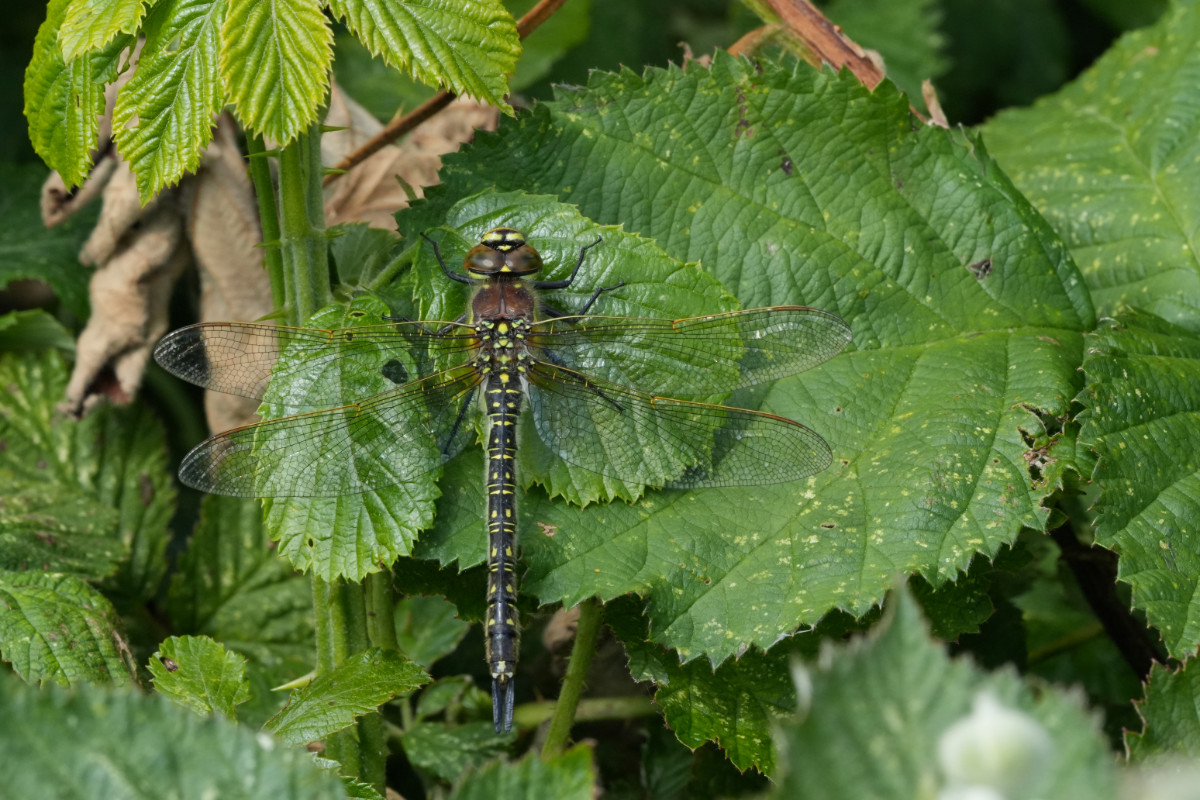
This charismatic individual has a less dramatic name than the Emperor, being called a Hairy Dragonfly. So called, because it is the hairiest and smallest of the Hawkers.
Hairy Dragonflies appear earlier in the year than many others in April-May time. This one was captured in the spring at Pagham Harbour near Chichester.
Dragonflies and Damselflies
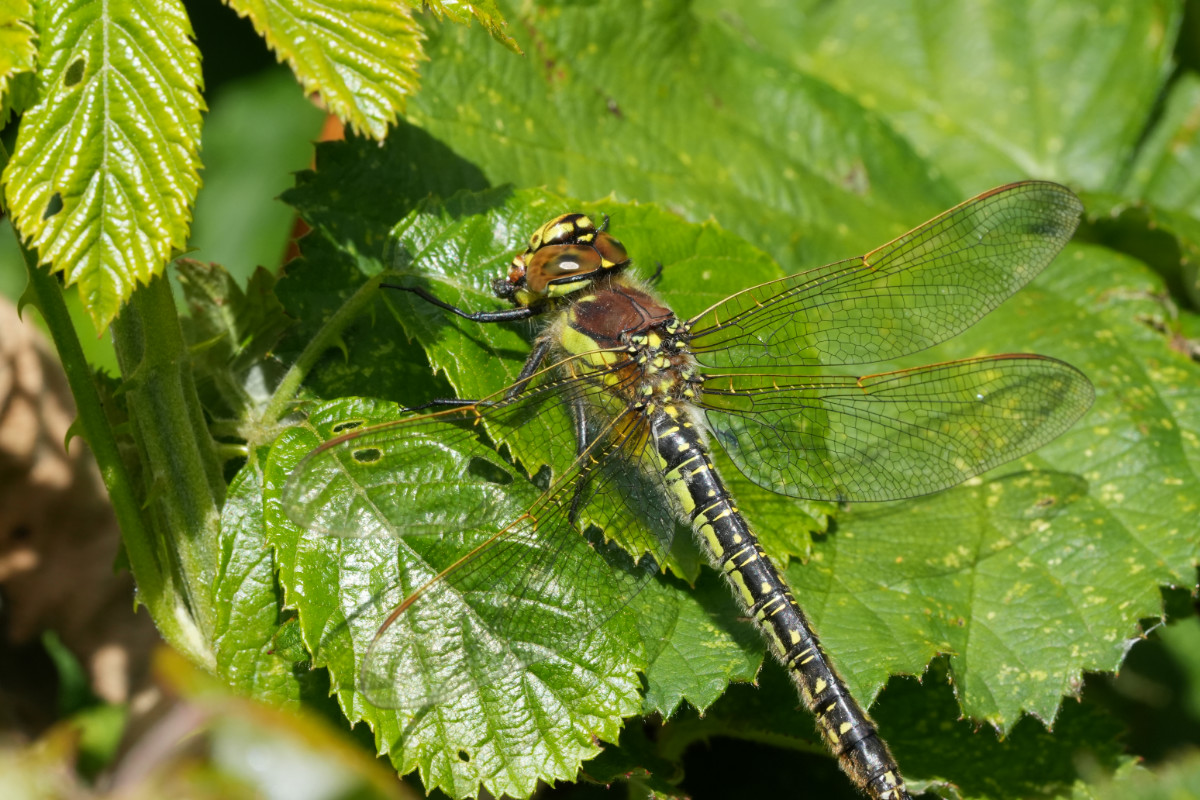
Here is another view of the same Hairy Dragonfly. You can tell it is a female by the colours. She has a predominantly dark abdomen with yellow spots and some yellow striping on her thorax. Whilst males have blue spots on the abdomen and green stripes on the thorax.
They are easily mistaken for other Hawkers (Common and Southern Hawkers) as they have similar dark colours with green/blue/yellow markings. Although a trained eye can tell the difference (even if I can't always). You can, more easily separate out the Hairy Dragonflies based on their size (they are quite a bit smaller, around 55mm), time of year (they appear around April-May whereas others appear later in May-June) and their hairy thorax.